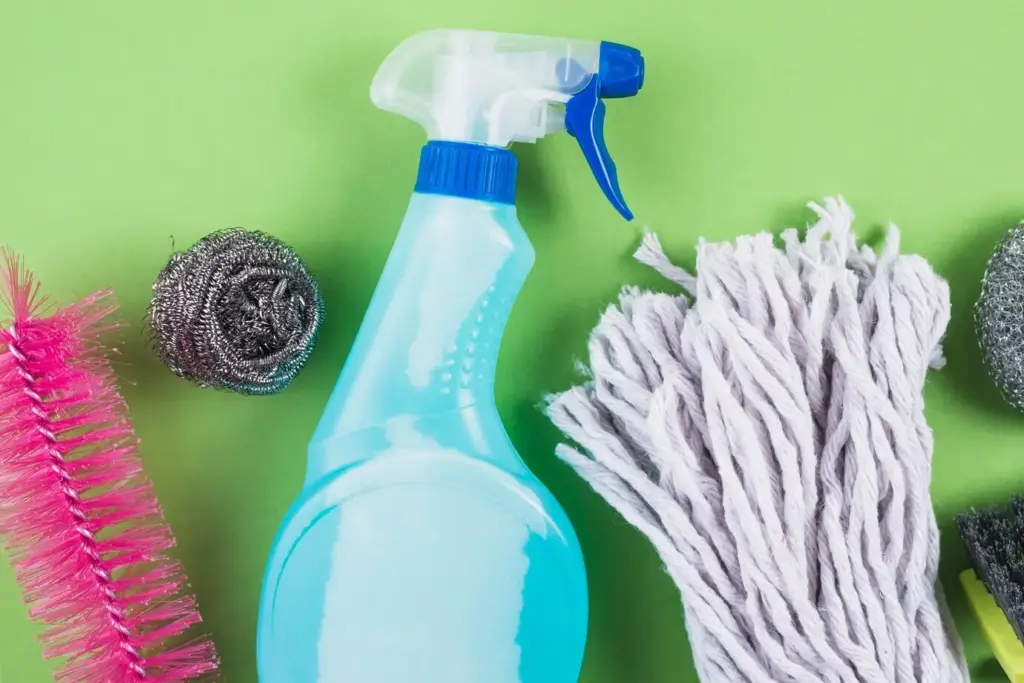
Refresh Your Space the Low-Waste Way

Start With a Mindful Audit
Open the Cupboard: What Stays, What Goes
Pull everything out, group by purpose, and check labels for clarity, safety, and redundancy. Expired or irritating products deserve a responsible goodbye via local disposal guidance, not the kitchen sink. Keep what earns trust and consolidates jobs, like a multi-surface concentrate, gentle abrasives, and glass cleaner. Note safety tips such as never mixing vinegar with bleach. Decant into sturdy, reusable containers, label clearly, and promise yourself to finish before buying again.
Measure Your Footprint Before You Shrink It
A week-long tally shows reality better than guesses. Count empty spray bottles, detergent jugs, dryer sheets, and wipes used. Weighing trash and recycling by category can be eye-opening and motivating without guilt. Kids love the scientist role, and data transforms vague intentions into specific, achievable targets. Seeing that cleaning packaging fills a significant share of the recycling bin helps prioritize refills, concentrates, and long-lived tools that cut waste instantly and consistently.
Set Goals That Fit Real Life
Grand declarations fade if they fight your schedule. Choose one room to reset, one disposable to replace, and one habit to practice this week, like a daily counter wipe using a refillable sprayer. Build in a small budget line for reusables, and set calendar reminders for refills. Share goals with housemates, rotate responsibilities, and keep progress visible. Celebrate tiny wins, observe setbacks with humor, and adjust the plan so momentum keeps building.
Kitchen Cleaners That Actually Work
Vinegar, Citrus, and Shine
Diluted white vinegar excels at glass and stainless steel, lifting water spots and fingerprints while evaporating cleanly. Infusing peels adds a bright scent without synthetic fragrances. Use weaker dilutions on general surfaces and reserve stronger ratios for descaling kettles or faucets. Avoid vinegar on marble, travertine, or concrete sealers to protect finishes. It is not a registered disinfectant, so keep expectations clear, rely on contact time, and never mix with bleach or ammonia.
Baking Soda Scrub Without the Gritty Chaos
A simple paste made from baking soda and a little water becomes a gentle scouring hero for sinks, enamel pans, and oven door glass. Work with a soft cloth or brush, give stuck spots a few minutes to loosen, then rinse thoroughly. Skip on delicate nonstick finishes and polished stone. A sprinkle in the drain with warm water freshens odors. Store a small jar by the sink and a second one near the stovetop for quick wins.

Choose Concentrates That Cut Packaging
Seek powders, tablets, or strips with minimal packaging, clear ingredient disclosure, and reliable performance. Measure carefully instead of defaulting to a heavy scoop, and watch for optical brighteners if you prefer a simpler formula. Cardboard boxes compact nicely, and bulk refills reduce shopping trips. Try a stain bar for collars and cuffs to replace multiple spray bottles. Over a month, these changes shrink both the laundry shelf and the recycling bin dramatically.
Cold Cycles and Short Rinses, Big Results
Modern enzyme detergents work beautifully in cold water on everyday loads, preserving color and fabric integrity while saving significant energy. Pre-soak heavily soiled items instead of running an extra hot wash. Choose eco modes or shorter cycles when appropriate, and clean the machine filter regularly for best results. If towels feel stiff, a small dash of vinegar in the rinse can help, provided the machine’s seals are compatible. Quiet tweaks deliver reliably fresher laundry.
Protect Fabrics and Watersheds
Synthetic textiles shed microfibers with every wash. A capture bag, external filter, or simple practice of running full loads reduces shedding and captures what is released. Skip dryer sheets, which add waste and build residue, and use wool balls to speed drying gently. Lint trap maintenance matters for airflow and safety. Favor air drying for delicates, and wash less frequently when possible. Durable garments last longer, and the river downstream quietly thanks you.
Bathroom Reset: Sparkle Without Harsh Fumes
Tools You Keep for Years